
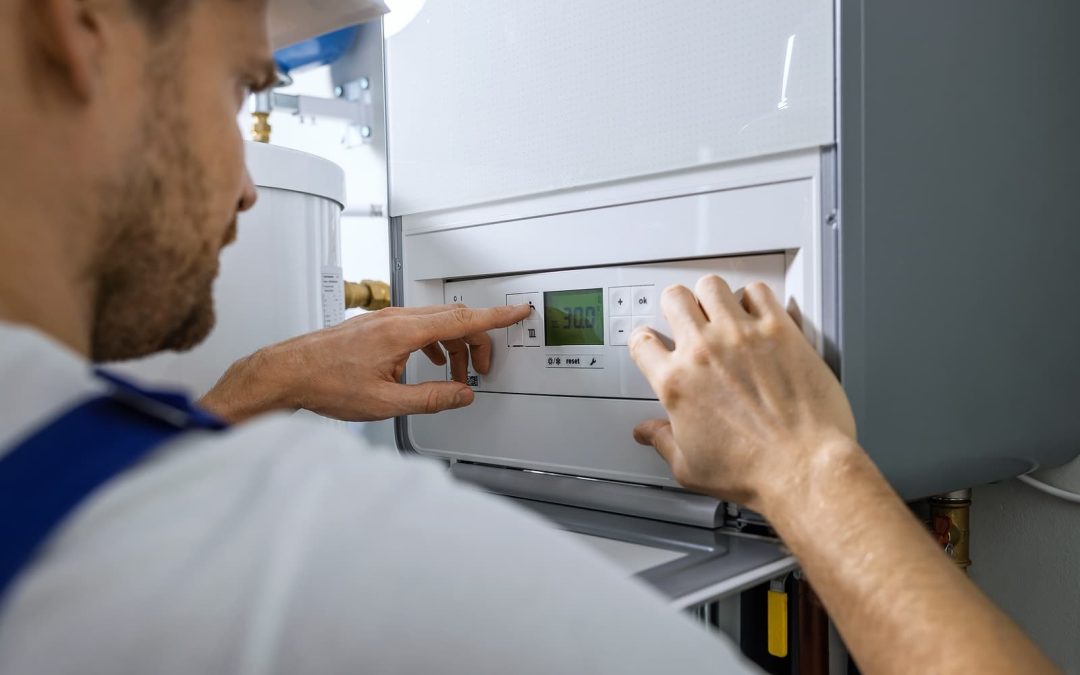
The use of fossil fuels may be on the wane, but there are very good reasons to keep and service your gas boiler, as this fuel will still be heating British homes for many years to come.
After the recent heatwaves and with more very hot weather expected through July and August, many people will feel that efforts to combat climate change need to be stepped up, not least through the transition away from fossil fuels to green electricity.
This may seem particularly relevant if your gas boiler has not been working very well and may need repair.
Summer is a good time to get a gas boiler serviced as our engineers will be more freely available at convenient times, unlike in winter when they are busy with emergency call-outs. But should they simply service and repair a gas boiler, or replace it with something else?
How Many British Households Still Use Gas Heating?
What advocates of switching away from fossil fuels may not fully appreciate is that we cannot simply stop using them immediately. The transition does take time and at present, the level of gas reliance is still high:
- As of 2023-24, 86 per cent of UK households used gas as their main heating source
- This applied to 90 per cent of urban homes, although the figure drops to 51 per cent in rural areas, where oil and solid fuel are still commonly used.
- Only eight per cent used an electrical system for heating and just two per cent a communal (district heating) system.
Even when electricity is used, much of it is generated by gas. In 2023, gas burning generated over 28 per cent of electricity, even though renewables had just reached the point where they were producing over half of Britain’s electrical energy.
It is clear, therefore, that the transition to Net Zero has a very long way to go and that assumes that it is maintained. Much as some would argue we are in a climate emergency that requires sterner action, many politicians are questioning Britain’s Net Zero goals.
While some would scrap these targets altogether, others may water down parts of them, such as any regulations concerning the kind of boilers people could have fitted a few years hence.
How Long Does The Average Gas Boiler Last?
What is worth noting is that the typical gas boiler lasts for 10-15 years. If you have had yours for a few years and it needs a service, that indicates some wear and tear, but at a manageable level that can ensure you get several more years of good service from it.
If, on the other hand, the inspection shows it still needs replacing, you could still go ahead and get a new gas boiler and it will be perfectly permissible to do so. That may even still be the case when a new boiler installed today reaches the end of its life.
Is Gas Less Polluting Than Other Fossil Fuels?
It is also worth noting that of all the fossil fuels, gas is one of the least polluting and has the lowest carbon footprint. Although emissions from gas have risen as its use has grown, it remains behind coal and oil.
Moreover, coal and oil produce a lot more atmospheric pollution, with nitrous oxides and other pollutants, as well as more carbon belching out into the atmosphere.
This is why coal is hardly ever used as solid fuel in UK homes and has not been burned to generate energy in power stations since the last installation of its type closed in 2024.
The sheer fact that coal has been eliminated from the UK electricity generation system, whereas gas remains in use, should tell its own story.
What Has Britain Done To Maintain Gas Supplies?
So too should the fact that it was quite recently that the UK responded to the decline in North Sea gas production by establishing two pipelines to the continent, the main one being the Langeled Pipeline to secure supplies from Norway, which opened in 2006.
Gas is also a better option when it comes to air pollution than the use of wood-burning stoves, which were once seen as a wonderful green alternative, but have been shown by studies to produce very high levels of toxic particulate emissions.
There will come a day when gas is no longer in common use as a means of heating British homes. But, given how much it is used now, its lower emissions levels compared to other fossil fuels and the lack of particulate air pollution, it will outlast other sources.
It remains in use while coal is obsolete and will no doubt do so when burning oil and petrol in cars or homes is a thing of the past. That is why you don’t need to get rid of your gas boiler yet and may not for many years to come.