If your home contains any kind of heating system that uses gas, wood or coal as fuel, you need to be aware of the symptoms of carbon monoxide poisoning so you can protect yourself and your family.
Carbon monoxide is a poisonous gas that can be produced by burning any of the fuels we’ve already mentioned. For most people, the main risk will come from the likes of a gas boiler or gas fire.
This is why regular servicing of your gas appliances is so essential, as well as why it’s vital that you have any gas fire repairs or boiler repairs carried out by a professional as soon as you notice a problem.
However, wood burners and coal fires can also produce carbon monoxide, so you need to be aware of the risks with these heating options too.
What is carbon monoxide and why is it so dangerous?
Carbon monoxide is a colourless, odourless gas, which means you won’t detect it in your home unless you have a carbon monoxide alarm or if you recognise the symptoms when you become unwell.
This is why it can be so dangerous, because you may not realise you have a carbon monoxide leak until it’s too late.
What are the symptoms of carbon monoxide poisoning?
The symptoms you are likely to notice if you have carbon monoxide poisoning are a headache and dizziness, as well as either feeling or physically being sick. You will likely also feel weak and you may have shortness of breath.
Confusion, alongside chest and muscle pain, can also occur if you are exposed to the gas. One indication that you might have a carbon monoxide leak in your property is that you feel better when you spend time outdoors or away from your home.
What should you do if you think you have carbon monoxide poisoning?
The first step is to turn off any gas or other appliances that you think might be the cause. Open your windows to allow fresh air into your home. Then leave your property and seek medical advice.
If you recognise the signs early and remove yourself from the source of the gas, you should recover relatively quickly.
It is also essential that you call an emergency gas engineer in your area to visit your home and rectify the problem before you use your gas appliance or wood burner again.
What is most likely to cause carbon monoxide poisoning?
Research from Gas Safe found that gas fires can pose a particular risk because over half of those who use them in the winter keep their doors and windows closed at the same time. This lack of ventilation can allow the gas to build up to dangerous levels.
What’s more, the organisation’s inspection data revealed that, in 2023, as many as one in two gas fires in the UK were unsafe. Poor maintenance and poor ventilation for gas fires can lead to the production of carbon monoxide, because the fuel isn’t burning as it should.
How can you prevent carbon monoxide poisoning?
The best way to prevent carbon monoxide poisoning is to ensure that all of your gas appliances are serviced regularly, as well as any other heating devices you may have in your home.
Other tips for reducing your risk of being exposed to carbon monoxide are:
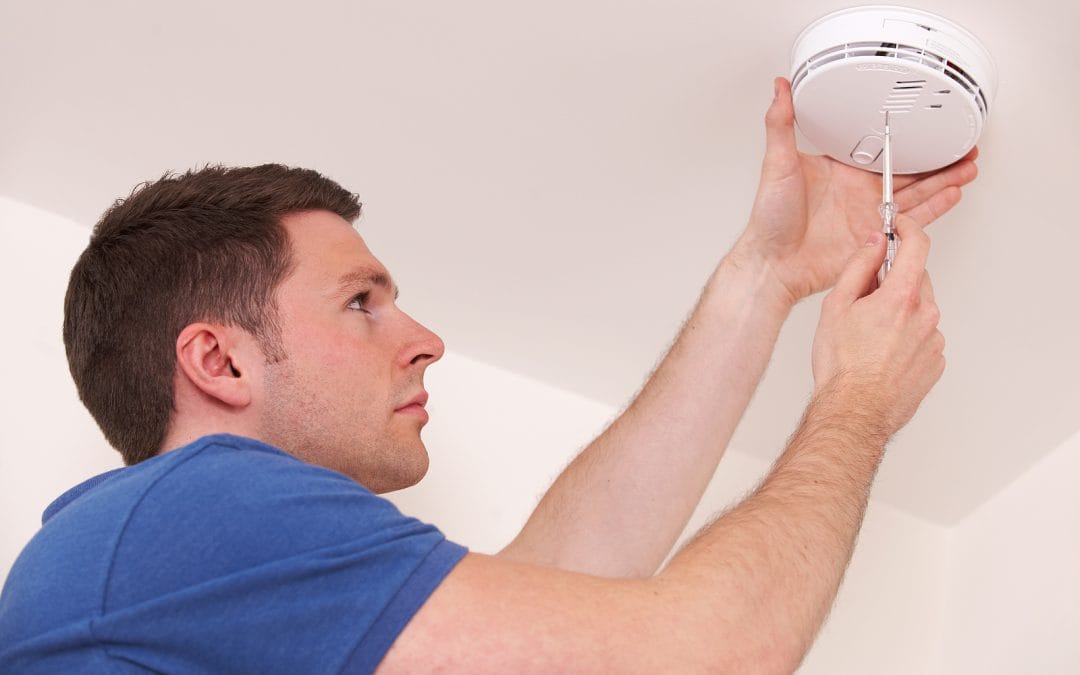
- Install a CO alarm: Carbon monoxide (CO) alarms are relatively inexpensive and will alert you to the presence of the gas in your property by making a noise, a bit like a smoke alarm. Position your alarm in the room where your gas appliance is located.
- Make sure your home is well-ventilated: Proper ventilation helps the gas escape, so make sure ventilation for your appliances isn’t blocked. Using extractor fans while cooking is also advisable.
- Know the symptoms: When you know the symptoms of CO poisoning, you are more likely to take action before you become critically ill or even die. Carbon monoxide kills around 20 people each year in England and Wales, so it’s important to know the signs.
- Look out for signs your appliance isn’t working properly: A weak yellow flame, rather than a sharp blue one, on a gas appliance could indicate a CO leak. Soot marks around your gas fire or boiler are another indication something may not be right.
The bottom line is, it’s always better to be safe than sorry when it comes to carbon monoxide poisoning. So, make sure you get your gas appliances checked by a Gas Safe registered engineer if you are concerned they aren’t working as they should.