
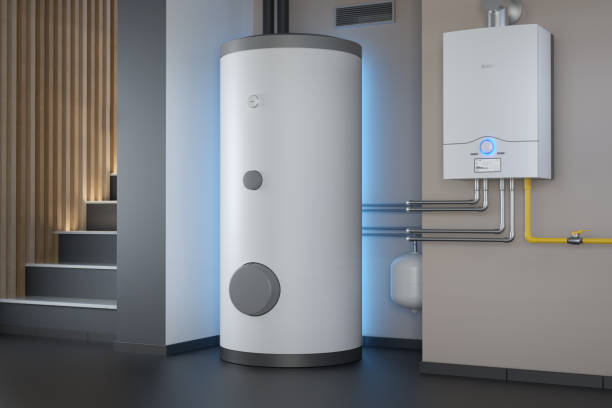
The end of the year typically leads to two big questions for homeowners when it comes to their boilers.
The first is ensuring that it continues to run throughout the festive season, even if they are away from home, and who they can turn to for boiler repair in their local area if it does not.
The second is whether they need to upgrade their heating system in the near future and what they should opt for if that is the case.
In that regard, they have a lot of options, both in terms of new, energy-efficient, affordable combi boilers that will last a home until there is clarity on what comes next. Alternatively, there are a number of alternative options to choose from.
Some people are considering switching from a boiler to a heat pump system, in no small part due to the grants offered through the Boiler Upgrade Scheme, but one alternative covered under that very same scheme is biomass boilers for people living in rural areas.
In some respects it is a very similar option to a boiler, but could it be right for you?
What Is Biomass?
Biomass as a concept is very simple at first glance and a biomass boiler is far less of a significant leap from a conventional gas boiler than a heat pump system would be.
At its core, biomass is any renewable material used to generate heat or energy, such as wood, household waste or silage, which is typically burned to provide heat to warm up water and radiators.
Most biomass boilers, however, will invariably consist of either wood logs, pellets or chips, but a boiler system is more than a simple wood-burning stove.
Many modern biomass boilers have automatic feeders to provide a steady stream of wood chips whilst the system is being used.
The sustainability credentials are similar to hydrogen, in the sense that it can be carbon neutral (or even potentially carbon negative), depending on how the wood is grown and harvested, particularly if the millions of tonnes of waste wood were converted into pellets as well.
There are three major caveats to buying a biomass boiler. The first is that they are often significantly larger than a conventional combi boiler, for the simple reason that wood pellets are nowhere near as energy-dense as fossil gas.
They also typically require an automatic feeding system, which is also somewhat bulky but means that such a boiler only has to be refuelled fairly infrequently. Every month, the ash the boiler generates also needs to be emptied, although it can be added to a composting heap.
However, a huge accessory that is all but required for a biomass boiler is a storage shed for the wooden pellets, which allows a homeowner to keep a supply of fuel on their property in case there are issues with getting access to a supplier.
As well as this, wood prices can fluctuate quite significantly, so it is worth looking at common peak periods so you can stock up for less. These price changes are not, however, linked to gas and energy prices so it is possible to pay more when gas is cheaper and less when gas is more expensive.
Is It The Right Option For You?
Biomass boilers are only covered by the Boiler Upgrade Scheme in off-grid areas in rural locations, with a certificate to prove that the boiler meets strict emissions standards.
This, on its own, could be enough to deter some people, but if you are considering biomass regardless, they can get quite expensive, with prices over £10,000 not uncommon for a biomass boiler, putting it close to heat pump territory but without the more widely accessible grants.
If you have a ready supply of logs or waste wood, it is effectively a free source of heat, but most people who live in an area like this will typically already have a biomass boiler.
The maintenance requirements are significantly higher than with a conventional boiler, which typically needs inspection twice a year and repairs by a Gas Safe engineer if there is a serious issue.
There also might be planning considerations, depending on where you live, as it may be in a smoke control zone where only certain approved appliances can be used. As with any other planning matter, the best person to ask first is your local authority.
As it stands, in most cases a conventional boiler is a better and more affordable option in the long run for people in London.