assess the safety of gas appliances – like boilers or gas fires – in a property. Assuming that the appliances are in good working order, you’ll then receive a gas safety certificate to prove that they are safe.
Who needs to get gas safety certificates?
All landlords are legally required to obtain gas safety certificates for their properties that contain gas appliances. Similarly, housing associations, local authorities, hotels, B&Bs, hostels, boarding schools and colleges also need to have gas safety certificates.
Gas safety checks need to be carried out annually, so if you are renting a property your landlord will usually contact you to arrange for this to happen around the same time each year.
Landlords must provide a copy of the gas safety certificate to their tenants each year, so if you haven’t received one or are aware that your current one has expired or is close to expiring, contact your landlord to ask about arranging a gas safety check.
Who needs to carry out gas safety checks?
Gas safety checks must always be carried out by Gas Safe-registered engineer, because this shows that they have completed the relevant qualifications to work with gas appliances.
All Gas Safe engineers will have their own ID card that lists the types of appliances they are authorised to work on, as well as the specific qualifications they have undertaken. They should show you their ID card before they start work on any gas appliance.
You can also search for specific engineers and see their qualifications on the Gas Safe website, which will give you peace of mind when they are carrying out a gas safety check.
What does a gas safety check involve?
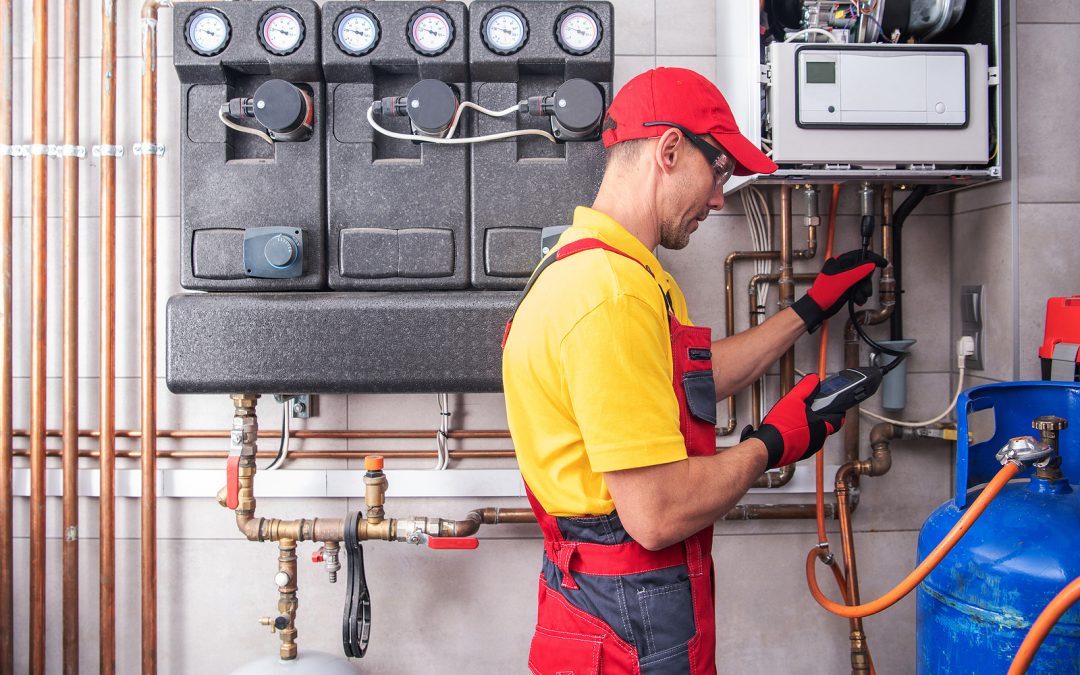
A Gas Safe engineer will go to your property to inspect any gas appliances – like boilers, gas hobs or gas fires – and make sure that they are safe and in good working order. They will check that any gas appliances meet the legal standards required.
If they notice any issues, they will recommend repairs or, in some situations, they may recommend replacing a gas appliance completely. This will depend on what’s wrong and what would be required to bring it up to the required standards.
The engineer will naturally need access to the property, but it isn’t an invasive process. They will only want to look at the gas appliances and won’t need access to any other parts of the property.
How long does a gas safety inspection take?
In general, a gas safety inspection will usually take 20 to 30 minutes, although they can take longer if the engineer finds any issues that need fixing. In some cases, they may be able to do these at the time, for an additional fee, to bring a gas appliance up to standard.
In others, they may need to arrange to come back to repair or replace a gas appliance that fails its inspection. This will give them time to get the parts required and also give you a chance to agree the cost of any repairs with them before they go ahead.
How much does a gas safety inspection cost?
While the cost of a gas safety inspection varies around the UK, the general advice to landlords and other organisations is to budget £80 as a minimum, with additional funds set aside if you have more than one gas appliance that will need checking.
As a general rule, you can expect to pay £80 for one gas appliance, with others in the same property charged at approximately £10 per appliance.
However, if you are a landlord with multiple properties, you may be able to arrange a deal for carrying out gas safety inspections across all of them with your chosen Gas Safe engineer. This is a conversation to have with the professional you engage to provide this service though.
Why is it so important to carry out gas safety inspections each year?
The reason landlords and other organisations are required to carry out gas safety checks every year is for safety. Carbon monoxide poisoning is a risk with gas appliances and, as a highly flammable substance, other issues like explosions can arise if gas appliances are not properly maintained.
From a personal perspective, if you fail to follow the rules around regular gas safety inspections, you could receive a hefty fine – currently £6,000 – and potentially receive up to six months in prison. What’s more, by failing to carry out regular gas safety checks you will invalidate your insurance policy.