
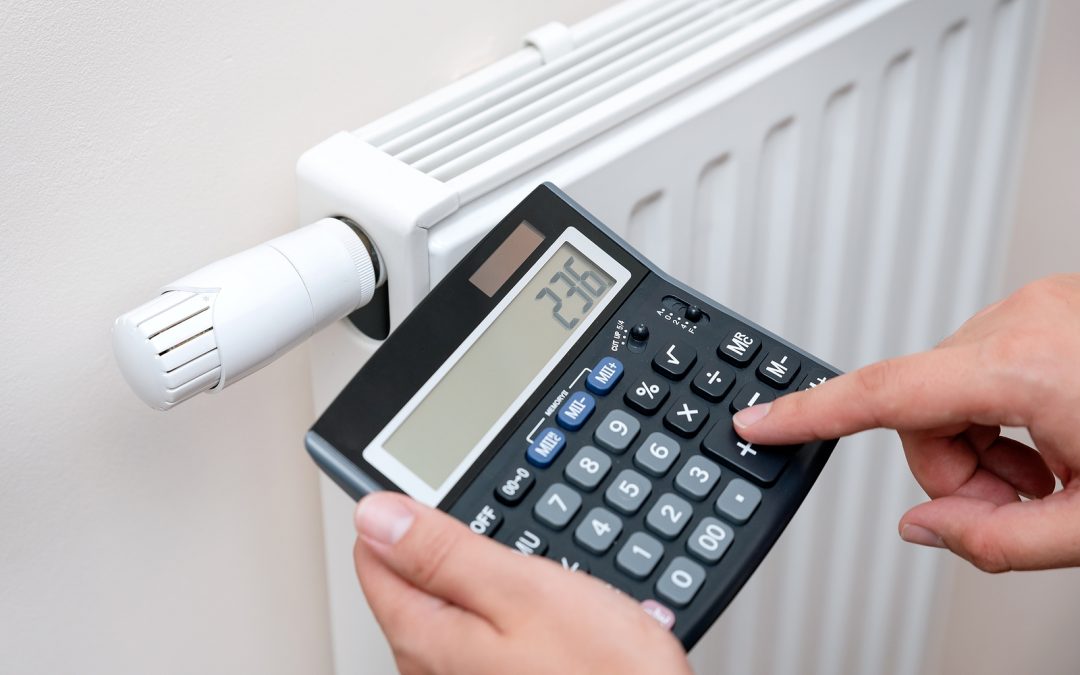
A familiar refrain for many homeowners over the past few years is how external events seemingly unrelated to natural gas or their current boiler have a huge effect on their energy bills.
In recent weeks, escalating conflicts have sent wholesale crude oil prices soaring, as reported by The Guardian, but this has also had a major effect on the price of natural gas.
This, in turn, affects your heating bills regardless of whether you use oil, gas or (in many cases) electricity as the main source of your heat.
Why is this the case? What can you do to keep your energy bills lower? And can installing a new boiler perhaps lower your energy bills in the long run?
How Do Oil Prices Affect Gas Prices?
The first question that we often get asked as experts in natural gas heating is why these two are even connected in the first place.
The Global Energy Crisis from 2021 until 2023 was caused by a confluence of circumstances, but one of the biggest parts of it was a surge in wholesale gas prices.
This generally affected homeowners twice; not only did heating bills increase substantially, but due to how the energy market works, it also caused huge surges in energy bills, as prices are set by the most expensive production source used at a given time.
However, whilst previous energy crises directly affected the supply of gas, this particular conflict has less of a direct effect, partly because it affects oil supply more than gas and partly due to a much more diverse supply of natural gas since the peak shortages in 2022.
There are some connections between crude oil and natural gas, although it is far from a perfect correlation; methane is a byproduct of oil drilling activities, and liquefied natural gas (LNG) is commonly transported by ship and by lorry, both of which rely on crude oil-based fuels.
However, for the time being, the Energy Price Cap has been fixed until the end of June 2026 at the following rates:
- Gas Rates – 5.74p per kWh, with a standing charge of 29.09p per day.
- Electricity Rates – 24.67p per kWh, with a standing charge of 57.21p per day.
- Overall Energy Cap – £1641 per year
Can A New Boiler Lower Your Energy Bills?
In general, gas boilers lose efficiency as they get older, which is compounded by new models becoming significantly more efficient to meet stringent regulatory standards.
This means that, if your energy bills and energy used have increased in ways that you cannot account for, it may be time to ask if a new boiler could help you save money in the long run on your energy bills.
Making this decision can be difficult, particularly if your boiler has many more years of service ahead of it; the best person to ask would be your local gas engineer at your next boiler service.
They will be able to tell you how efficiently your boiler is working, if all of the components are functioning as well as they should be, and can provide advice on setting the thermostat and flow rate in a way that balances your heating needs with your energy use.
A new boiler would typically save you money on your bills by using less gas to provide the same level of heat, but how much money this would save over the lifetime of the boiler would be offset by prematurely replacing your boiler before it is necessary to do so.
What Can You Do To Lower Your Heating Bills Today?
There are thankfully a lot of ways in which you can lower your heating bills today, some of which involve very tiny changes to your daily routine.
Here are a few steps you can take that can make a noticeable difference to your bills:
Lower Your Boiler Temperature
One of the easiest and least noticeable changes you can make is to lower the temperature that your boiler heats water to.
Most boilers are set by default to around 80 degrees Celsius, when in practice this can cause homes to quickly overheat.
Lowering this to 60-65 degrees will save you money with no difference to your home, although the perfect temperature will vary based on the size of your home and how well it is insulated.
Lower Your Thermostat
Similarly, lowering your thermostat will stop your radiators from unnecessarily turning on and overheating your home.
As well as this, schedule your thermostat to turn on when you need it and turn off when you do not, such as during the night or when you’re at work.
Lower Individual Radiators
Each individual radiator can be turned higher or lower according to need or distance from the boiler. If there are certain rooms in the house you use less often, turn the radiator down or off entirely.
Close Your Curtains
Closed curtains and blinds help create an insulating barrier to stop heat escaping, and can act as an extra layer to trap heat.
Check Your Insulation
Make sure your boiler pipes, hot water tank and house in general are well insulated, as even small changes can save you noticeable amounts on your energy bill.