
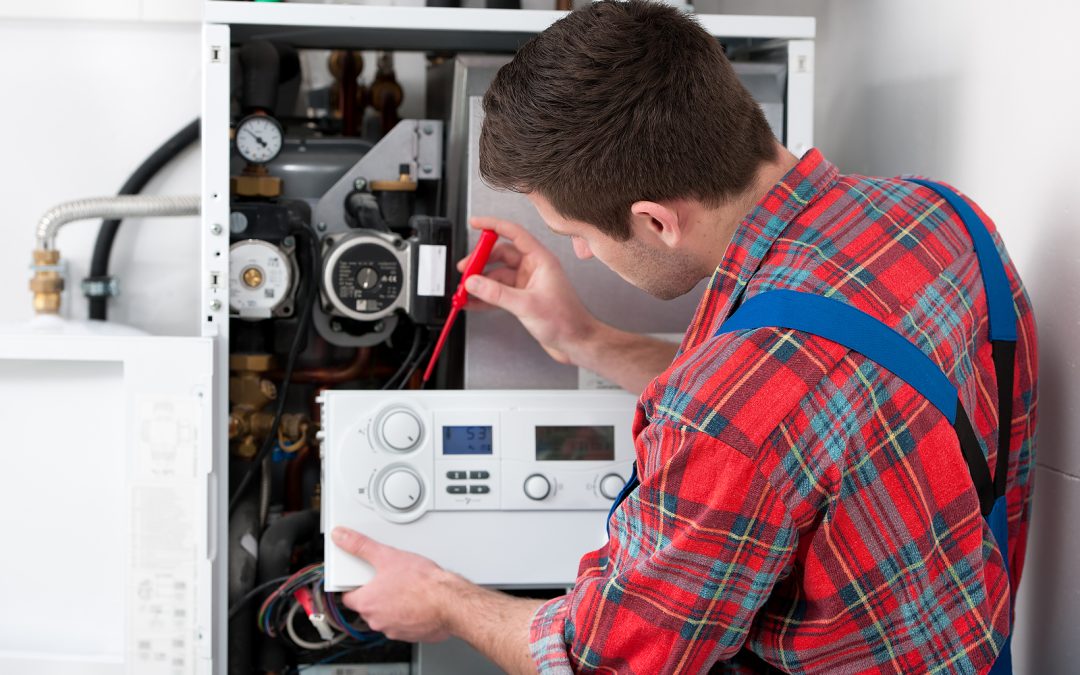
As the winter chill finally fades and the first bloom of spring starts to enter our lives, the faithful boiler that has kept you warm throughout the last six months will ease up slightly, as warm central heating may not be needed every night.
From now until September is the perfect time to get in touch with a local boiler engineer to get your boiler serviced, repaired and ready for next winter. The sooner you get it serviced, the less you will have to think about it over the summer.
However, whilst the need for a boiler is not as urgent, having the contact details for a boiler engineer on the Gas Safe Register can be helpful if you are dealing with weird noises, smells or unusual failures, as they are typically best placed to fix any issues you have.
In particular, common boiler problems are often ignored, but if they are fixed, they can save you thousands of pounds in the long run, as problems are not allowed to escalate to the point that they require extensive repairs or a replacement.
Here are some of the most common boiler problems, what you may be able to do to fix them and when you should contact an engineer.
What Should You Do If You Have No Heating Or Hot Water?
If your boiler has stopped working entirely and is not delivering hot water through your taps or heating your radiators, there are a few issues that could be the root cause.
Exactly which of these is the problem will depend on your boiler type, model and the pipework around your home. Here are the most common issues and what you can do about them.
Low Boiler Pressure
Probably the most common and most easily rectified issue is low boiler pressure, but it may still be worth booking in a service if it happens regularly.
The water pressure in your boiler will change over the seasons due to atmospheric conditions and some of the steam being lost through the condensate pipe. At some point, the boiler pressure will fall below the minimum BAR required to function effectively, and your boiler will stop working.
This is usually fixed by using the boiler’s filling loop to simply add water to the boiler system and repressurise it. They are very easy to use, effective and will often fix the problem with no other intervention.
However, if the heating does not return or there are other problems, get in touch with an engineer; there is a good chance a part is broken.
Pilot Light Malfunctioning
If your boiler has a pilot light, it should always be on, as it helps control the amount of gas going into the boiler. If it goes out once, the boiler will switch off, but it is typically easy to turn it back on.
However, if it keeps going on or will not stay lit despite your best efforts, that is typically a sign that there is a problem with the boiler itself that an engineer may need to fix by opening it up and replacing parts.
Boiler Leaks
If the boiler is leaking water, this typically cannot be fixed by someone who is not an engineer. If the boiler is leaking gas, this is an emergency that you need to act quickly to remove the immediate danger of.
Boiler leaks are typically the result of a broken valve or seal, or can happen thanks to corrosion.
In some cases, it is possible to remove the leak by reducing boiler pressure by bleeding radiators, especially if water is leaking from the pressure valve and not elsewhere in the system.
However, in most cases, getting a boiler repair is the best response.
How Can You Stop Your Boiler From Making Weird Noises?
Gurgling, kettling and banging noises have a range of causes, typically the result of limescale buildup or trapped air in the system. In some cases, they can be fixed by resetting your thermostat or bleeding your radiator, but a long-term solution typically requires a boiler engineer.
What Should You Do If The Boiler Is Not Responding To The Thermostat?
Most boilers have electronic smart thermostats, which help you manage how warm the house is and adjust the temperature on the fly. In general, it takes time for these changes to take effect, but if there is no response at all, it could be a sign of a faulty thermostat.
Change the battery and reset the thermostat as your first course of action, but if it continues not to work, get in touch with a boiler engineer to replace the system.