
The crisis in the Middle East has brought a certain feeling of déjà vu to households across Britain. Once again, a conflict involving countries in a major fossil fuel-producing region has led to the prospect of soaring inflation, driven by higher energy bills.
This particular conflict may also have a major impact at the fuel pumps for those without electric vehicles, leading to a further squeeze on household budgets.
It may seem that there is little to nothing consumers can do, except be relieved that, for the time being, prices will stay low thanks to the current Energy Price Cap, which came into effect on April 1st, having been decided weeks before.
That cap, with a projected typical dual fuel bill of £1,641 a year, was seven per cent down on the previous cap, all of which might make life seem sweet if it were not for what lies ahead.
What Will Happen To The Energy Price Cap After June?
Instead, Ofgem has acknowledged, the Middle East situation “could put pressure on prices in future price cap periods”.
How much impact there will be remains unclear as the outcome of the situation is so uncertain, but a projection from energy market analysts Cornwall Insight forecasted that the next price cap figure, which will take effect from July, will be the equivalent of £1,929 a year.
This represents an 18 per cent rise, which will alarm many households who have to budget carefully. Moreover, even if the conflict ended today, analysts expect it to take months for the knock-on effects on energy prices to dissipate, as supply lines have been so disrupted.
Faced with the prospect of higher energy bills, you may wonder what you can do. Fortunately, there are some steps you can take:
- Use less energy where possible
- Increase your energy efficiency
- Search around for a better energy deal than the one you are currently on
The last of these steps may or may not make a major difference, but the first two certainly can.
How Can A Boiler Repair Cut Your Energy Bills?
Energy efficiency can be improved through getting your boiler repaired or even replaced. Late spring or early summer is an ideal time of year for a boiler repair, as engineers are not busy with emergency call-outs in the way they often are in winter when boilers break down.
This means you can avoid shivering in the cold when your boiler is being repaired on a warm day in May or June.
By getting your boiler repaired, you can ensure your existing device is working more efficiently, using only as much gas as is required to heat your water.
However, if it is old and showing signs of declining performance, you may be better off getting it replaced. By sending an engineer to assess it, we can advise if this is what you should do. This is more likely when a boiler is 10-15 years old.
What Practical Steps Can You Take To Cut Gas Use?
Greater boiler efficiency is the best way to cut down fuel usage. But there are several other steps you can take to reduce the amount of gas your boiler uses.
- Lower the heat settings on your hot water. If it isn’t as hot, less gas will be burned warming it up.
- Only turning the heating on when you need it, which is something you should seldom need to do anyway in spring and summer, but also maybe not until deep into autumn.
- Move furniture like sofas away from radiators, so when you do need to heat the room, this is not absorbed by the furnishings and therefore you don’t need the heating on for so long.
- Avoid leaving appliances on standby
- Install better insulation in your home
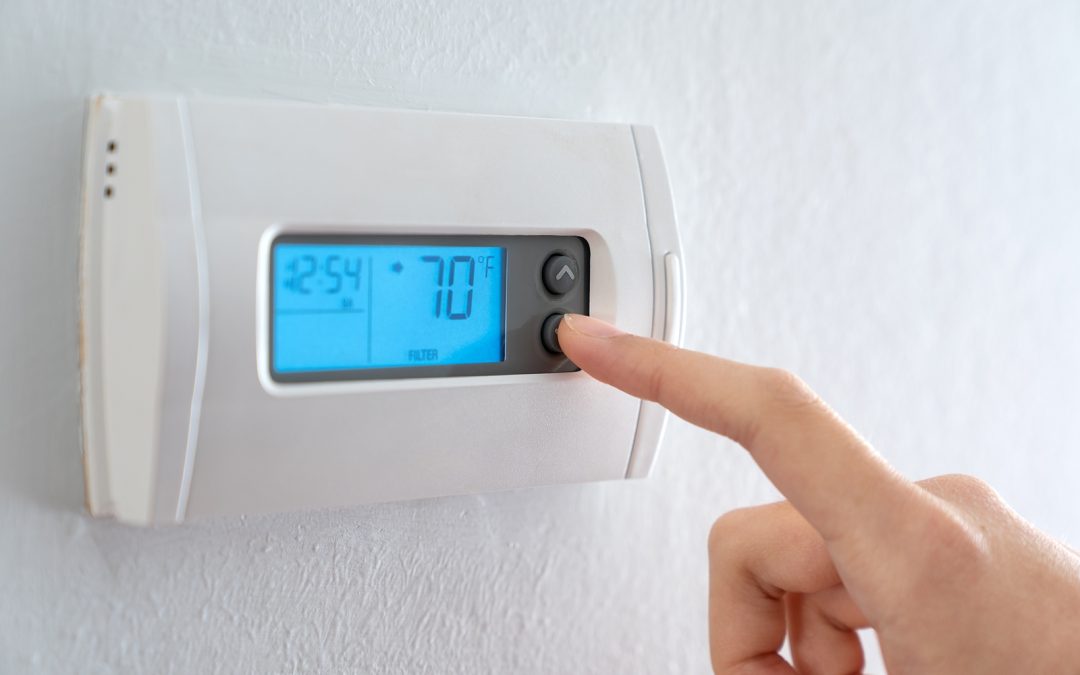
- Set your thermostat a degree lower, so you can still be warm enough while burning less gas.
These steps are all effective ways of using less gas. Coupled with ensuring your boiler is in good shape, such measures can go a long way towards keeping your bills down.
Indeed, the benefit of this is that when the crisis is a fading memory and energy bills have normalised again (whenever that is), good habits and a more efficient boiler will still be saving you money then.
The world is an uncertain place, with turbulent global politics and conflicting ideas of what the future will look like. That can make issues like energy security a hot topic for decision makers and energy firms alike.
All of that may sometimes make it seem like households are powerless and just have to deal with whatever hand they are dealt. In reality, however, there is much you can do to save gas and ensure you are enjoying the benefits of an efficient boiler.