
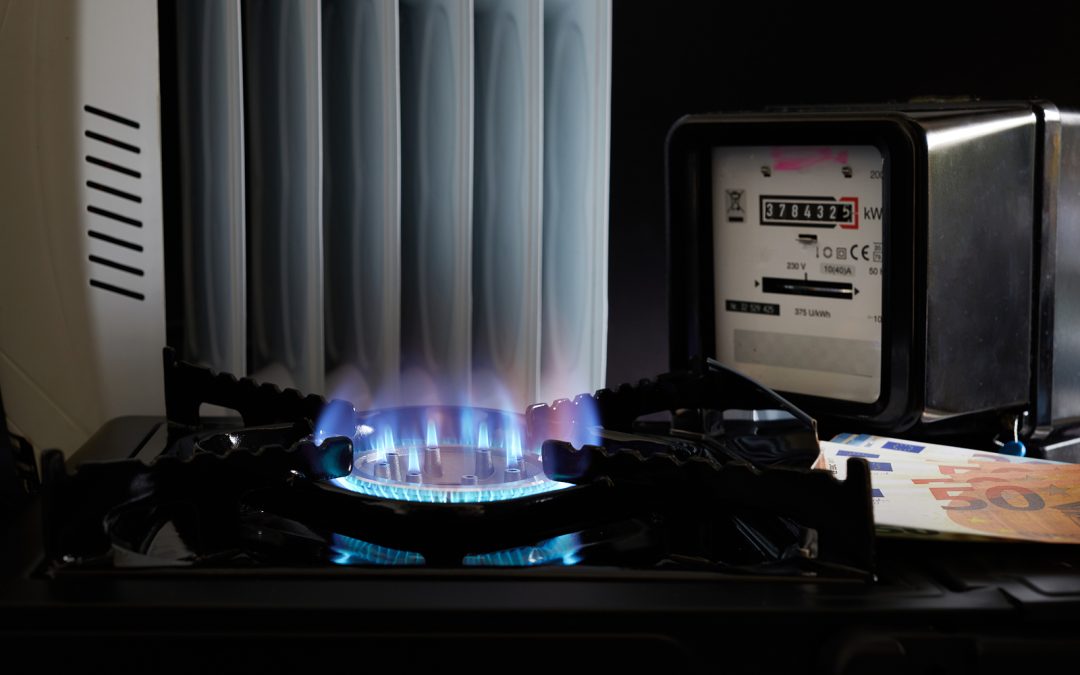
Over the past few months, the fluctuations in international gas prices have led to concerns about how this could affect your heating bills going forward, particularly during a time when homeowners start to make enquiries about their annual service.
Thanks to the energy price cap, the effects these fluctuations will have on homeowners will not be felt until July, but there is naturally concern amongst homeowners that they might face a double-whammy of bill increases when the energy price cap changes.
Not only would they face increases to their gas bills, but also their electricity bills. However, the government is attempting to rectify the latter through fundamental changes to how energy prices are calculated, which could potentially lower bills dramatically.
How can one change do so much? To understand this, we need to understand how energy prices are set, why gas prices affect both, and why this system needed to change to lower heating bills regardless of which system you use.
Why Do Gas Prices Affect Electricity Prices?
If you have a gas boiler, you will be affected by increases in natural gas prices in two separate ways; not only do you pay for the gas your boiler uses, but you also pay if your electricity supply involves natural gas in any way. In the UK in 2023, this happened 98 per cent of the time.
This system, known as the merit order, means that the price of any electricity is set by the most expensive generation source. Low-cost, low carbon renewable energy is very cheap but once gas power stations are fired up, that can dramatically increase the cost of electricity.
This is also known as marginal pricing, and is why energy bills can fluctuate so dramatically; if renewables can keep up with demand, prices remain low, but as soon as gas power plants are needed, they set the cost for the entire country.
What can compound this issue is that wholesale gas prices set the cost of any electricity generated from it, and wholesale gas prices also have a merit order.
Whilst there are a wide range of sources of gas, the price is set by the most expensive one, which means that the effects of disruptions, such as those seen through recent geopolitical strife have had a disproportionate effect on the cost of gas in the UK.
What Is The Government Doing To Lower Energy Bills?
Outside of increasing renewable energy generation supply, which means that gas power plants are used less often, the UK government has been trying for the last two years to change the existing system following the 2021 energy crisis.
The first step, whilst far from complete, has reduced the rate of gas setting the price of electricity down over 30 per cent, although a rate of 60 per cent is still far above the European average of less than 40 per cent, and the goal of the UK government by 2030 is to reduce this rate to 50 per cent.
Whilst these longer term, effective approaches are put in place to help with energy bills, the government has also implemented two systems to try and lessen the impact gas marginal pricing has on energy bills. These are:
- Establishing long-term fixed-price contracts for electricity generators to ensure prices are more consistent and there is less of a sudden price shock.
- An increase in the Electricity Generators Levy, a windfall tax for the electricity sector that will now charge 55 per cent on extraordinary profits generated during gas price spike.
As well as this, the Boiler Upgrade Scheme is set to be increased for homes heated by boilers powered by heating oil and liquid petroleum gas (LPG), as both of these fuel sources have been disproportionately hit by price shocks caused in recent months.
As well as this, planning rules for EV chargers, heat pumps and solar power generators are being altered to make them easier to install, shortening the planning process and potentially increasing renewable generation capacity further.
The overall goal is to decouple natural gas from electricity, but this could potentially provide benefits the other way around as well.
How Can This Help With Gas Energy Bills?
Whilst the wholesale gas price merit order means that people with gas boilers will not be entirely immune from price increases, the reduction in demand caused by an increase in renewable capacity will help to increase relative supply and consequently reduce costs.
This means that, whilst currently the coupling of gas and electricity prices means that homeowners pay at least twice (often more than that due to other cost of living increases), attempts to decouple gas and electricity could lead to a compound discount.