
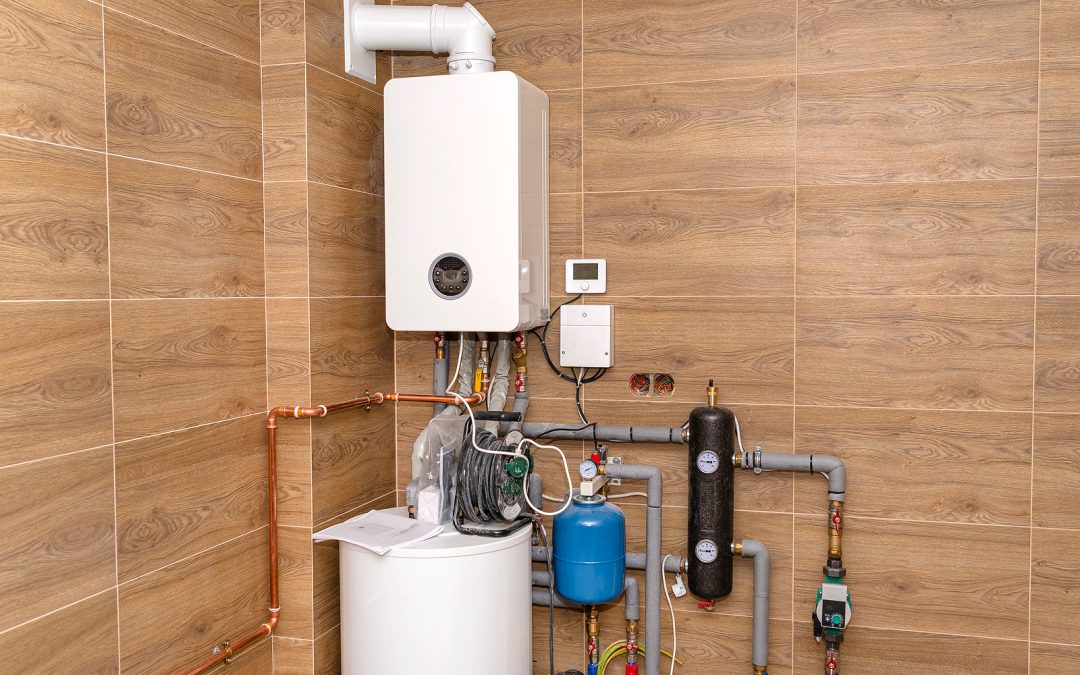
Over the last few months, with wholesale fossil fuel prices increasing at an astonishing rate as a result of global events, some homeowners have considered taking increasingly drastic steps to save money, but be wary about replacing your boiler installation too hastily.
From April until June, the price of energy has been capped, which has helped somewhat to shield homeowners from the immediate effects of the global gas market.
However, with that agreement expected to end at the start of July, some homeowners have made more drastic decisions to try to shield themselves from energy increases.
Everything from installing solar panels to swapping out their highly efficient boiler for a heat pump has all been touted as possible options, but is getting rid of your gas boiler truly the most cost-effective option?
Moreover, could it potentially be counterproductive and cost you more money in the long run, especially compared to an energy-efficient gas boiler?
Are Heat Pumps More Expensive To Install Than Gas Boilers?
The first and most clear point is the upfront cost; heat pumps are notoriously expensive at the moment to install, and even the significant government grants on offer do not necessarily offset this.
The average price of a heat pump after the grant has been included is nearly £6,000, which is significantly more than the cost to buy and install a boiler, particularly if you are buying a like-for-like replacement.
This also assumes a relatively straightforward installation.
Heat pumps can require significant alterations to your pipework or electrical systems in order to accommodate the new system, which means that retrofitting a pump into an existing home is often far more expensive than fitting one into a new build.
You also may need upgraded radiators or underfloor heating, which will add to the final installation costs. Similarly, if you need to add insulation, that would add to the installation costs.
This means that, in order to ensure that your investment is worthwhile, the heat pump needs to drastically decrease your energy bills for as long as your boiler would have been viable.
Boiler prices can vary drastically, but there is a chance that you would need to save between £2000 and £4000 on energy bills over the lifespan of your heat pump in order to break even on it compared to a gas boiler.
How realistic is this, however?
Do You Actually Save Money In The Long Run On A Heat Pump Compared To A Boiler?
Much like with electric vehicles, the major selling point of a heat pump is that, whilst the upfront cost is typically significantly more than a like-for-like replacement, the savings that come from switching away from a conventional heating system will eventually offset this.
Whilst the savings per mile for an EV charged at home on a cheap overnight rate compared to fuel at the pump are significant, you may not get the same level of benefits switching from a gas boiler to a heat pump.
According to a rough calculator provided by Which, a typical four or five-person household could save around £450 on their energy bills each year compared to a gas boiler.
This number itself is filled with caveats, and assumes a high level of efficiency, a low-cost energy tariff designed with electrically-powered heating in mind, and a home that is well-insulated and largely draught-proof.
A heat pump in a house with inefficient insulation can be comparable to a highly efficient boiler, which extends the length of time before you break even.
Even assuming all of this, it can take between five and nine years on average to break even on your boiler replacement by saving enough on your energy bills to get your money back.
A heat pump also does not last long enough compared to a boiler to provide too much of a longevity boost, although it must be noted that once the pipework is installed for a heat pump, a replacement will likely be significantly cheaper than the initial installation.
Do You Need Solar Power To Save Money Compared To A Boiler?
Whilst there are plans to decouple gas prices from the electricity market, the present reality of the market is that once gas becomes required to provide UK electricity needs, the costs of electric heating can increase significantly and minimise the benefit.
One option to help with this is to install solar panels on your roof, as they will generate electricity and provide some of your energy needs without relying on the National Grid.
Whilst this is true, solar panels also come with an upfront cost, which can further increase the time it takes to break even following a switch from natural gas.
A better option is to ensure your boiler is well-serviced and to switch from an older, inefficient boiler to one that uses less gas to generate the same amount of heat around your home.