
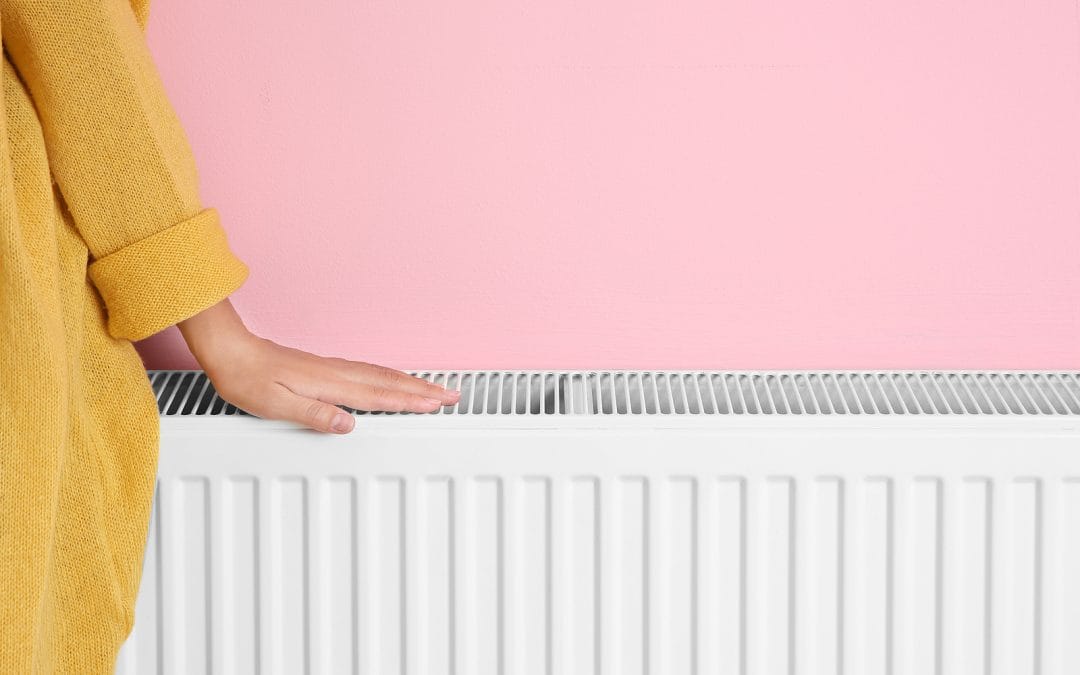
Warm air heating systems, also known as dry heating systems, are rising in popularity as homeowners look for a sustainable and affordable way to keep their properties warm in the colder months of the year.
It’s not surprising that homeowners are starting to explore different kinds of heating systems given that the price of gas in the UK has been volatile in recent years.
Even though domestic gas prices have fallen from their record high in 2022, they are still 44 per cent higher than they were in the winter of 2021/22. That’s a significant price increase in just under four years.
This is encouraging many in the UK to explore the other ways in which they can keep their homes warm for less.
Warm air heating systems are one such alternative. As their name suggests, they heat a property by circulating warm air through a series of ducts. According to Johnson & Starley, a warm air heating system manufacturer, upgrading an old system to a newer model could lead to savings of up to 28 per cent on energy bills.
In general, warm air heating systems are more energy efficient than their wet alternatives because it takes less energy to heat air than it does to heat water.
This might be enough of a prompt for you to seek out warm air heating engineers near you, but there are other benefits of installing a new warm air heating system in your property.
No radiators = more wall space
We all know that it’s not ideal to have furniture in front of radiators, but in many homes it’s unavoidable. There simply isn’t space to leave the radiator completely clear. But what if you didn’t have radiators at all?
With a warm heating system, this will be the case because the heat is distributed via a series of ducts and vents. That means you will have a whole lot more wall space without having to compromise on a warm and cosy home.
Quicker heating
One of the downsides to radiators and wet heating systems is that it can take a while for the water to heat up and then circulate through the radiators, which then heat individual rooms.
Warm air heating systems can transfer heat much more quickly, which means if you’re cold and you turn the heating on you’ll start to feel the benefit much more quickly than you do with a traditional gas boiler and radiator system.
Better air quality
This might be a benefit you didn’t expect, but warm air heating systems can now also double as air filters. You can fit your warm air heating system with an air filtration system that can help remove pollen, mould and even smoke from the air in your home.
The air filtration system used by the Johnson & Starley models can remove up to 95 per cent of all airborne pollution in your home. So, if you suffer from allergies or asthma, this could be an incredible benefit that you certainly won’t get with a wet heating system.
What’s more, the filters in the system actively work to reduce the humidity in a property, which can not only help to prevent mould from growing in the first place, but will also reduce condensation and dampness in your home.
Mould can cause a range of illnesses if it’s left unchecked, including respiratory problems and allergic reactions in some people. It will also exacerbate asthma or any existing respiratory disorders, so taking steps to present it in your home is certainly worthwhile.
Warm air heating systems don’t just heat…
Many modern warm air heating systems aren’t just designed for keeping your home warm in the winter. They are designed to provide year-round climate control.
That means they can be configured to cool your home down, as well as warm it up, which can be a significant advantage when there is a heatwave, particularly in cities like London where temperatures have hit over 40 degrees C on occasion.
So, if you’ve been considering installing air conditioning at your property, you may discover that it’s more cost effective and efficient to install a warm air heating system instead that can provide both warmth in the winter and cooling in the summer.
Talk to your warm air heating engineer before they start work on installing your new heating system to find out how to configure it for cooling as well as heating. It’s a good way to future proof your living space.
Of course, there are drawbacks to warm air heating systems, primarily that they can’t be used to provide hot water. But they are certainly a good alternative to consider if you are thinking of changing your heating system.