
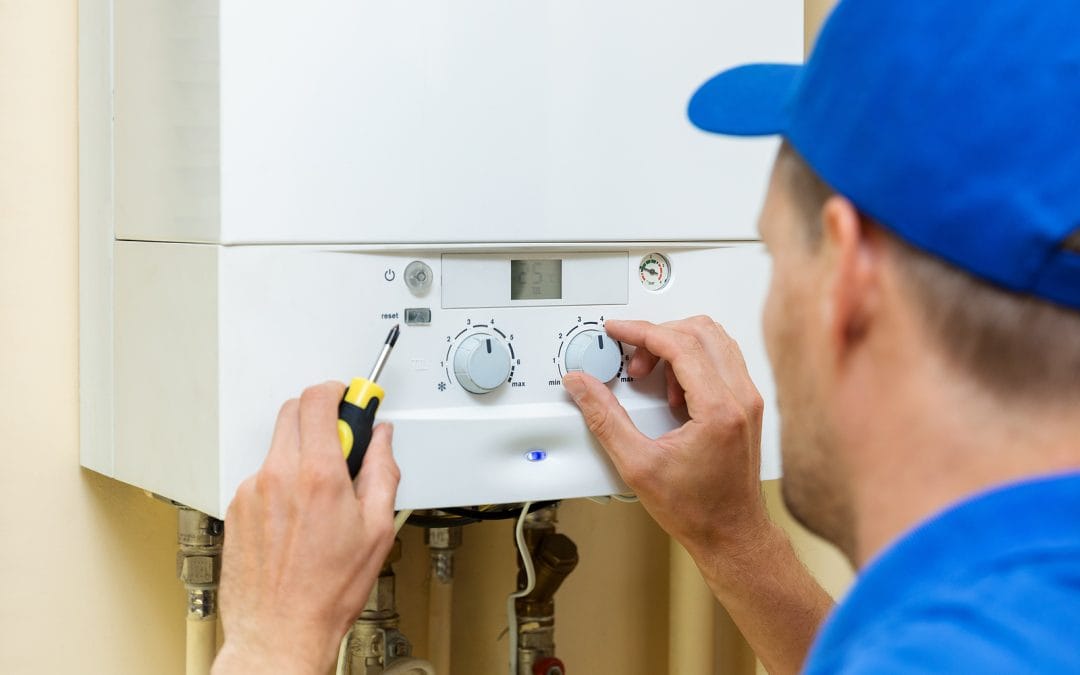
With winter well on its way, most people have already turned their boiler on in order to take the edge off the already somewhat biting chill, as well as having already had the boiler checked to ensure that any minor issues are fixed before these weaknesses can be tested, and an emergency repair is needed.
Boilers tend to be remarkably robust, and as long as they are well-maintained, are in good working order and are not left off for too long in freezing weather, they will generally provide months of consistent heating until the winter frost thaws and spring hits full bloom by April or May.
However, given our reliance on our boilers to keep warm, have hot showers and use hot water for cleaning, a boiler failure in winter can be particularly frustrating, and it is worth having an emergency callout contact to hand to minimise potential delays.
What can you do about a boiler that has broken down? Either as a first step or whilst waiting for an engineer to get back to you, here are some steps you can take to fix common problems, as well as some common issues that require the intervention of a professional.
Restoring Lost Boiler Pressure
The water that flows through your boiler system can change pressure in different weather environments due to the effects of cold components and pipework, and if this water pressure goes too low, the boiler will simply stop, often displaying an error message on the display screen.
Thankfully, this is very easy to fix; find your boiler filling loop and either open it or pull down on the fill lever until the boiler reaches the green area on the pressure dial on the front of your boiler.
Most of the time, when you reach that level, the boiler will turn itself on automatically when it gets sufficient pressure, so turn it off when the dial reads between 1 and 1.5 bar.
Check And Unfreeze Condensate Pipes
Sometimes the cause of a boiler shutting down is because of the condensate pipe, a pipe that channels waste water formed through condensation out of your boiler, typically down into a soakaway or drain.
Typically, the condensate is released gradually at a rate that typically stops it from freezing, and most condensate pipes are built into the wall as much as possible to avoid them being exposed to freezing temperatures.
However, in especially cold weather, it can freeze up, which usually comes with a gurgling sound from inside your boiler and a helpful error code to highlight the issue.
Look for your condensate pipe and check if it has frozen over. If it has, you can try to thaw it, either using a towel soaked in warm water or a hot water bottle.
You can also pour hot water directly onto the pipe, but it is important to be careful how you do it. First of all, even though you will likely need to use a kettle, leave the water to cool for a little bit. Boiling water can either crack or melt the condensate pipe, which would require replacing.
As well as this, given that the weather is freezing, try to pour towards the wall and avoid soaking the path below. This can create black ice, which can be a dangerous slip hazard.
Reboot Or Adjust The Thermostat
Sometimes, the boiler is temperamental because the automatic timer settings have changed. Take a look at the manual for your thermostat and adjust it as required.
Alternatively, reset either your thermostat or your boiler according to the instructions. This is typically a quick job and will generally fix any software issues you are dealing with.
However, if you regularly need to reset either the thermostat or the boiler itself on a regular basis, call in an engineer before next winter.
When Should You Make An Emergency Callout?
Generally, many boiler issues are relatively common and easy to fix, but if they are not any of the above, you cannot figure out the issue, or there are concerning noises, smells or movements, get in touch with a Gas Safe engineer as soon as possible.
Do not open up the boiler; it is illegal to do so and extraordinarily dangerous. Instead, keep the boiler off, close the curtains to keep the heat in, wear extra layers of clothes, eat warming meals and enjoy drinks, and use a portable electric heater in any rooms that you plan to use.
These stopgap solutions will keep you warm whilst you wait for the engineer to arrive.