
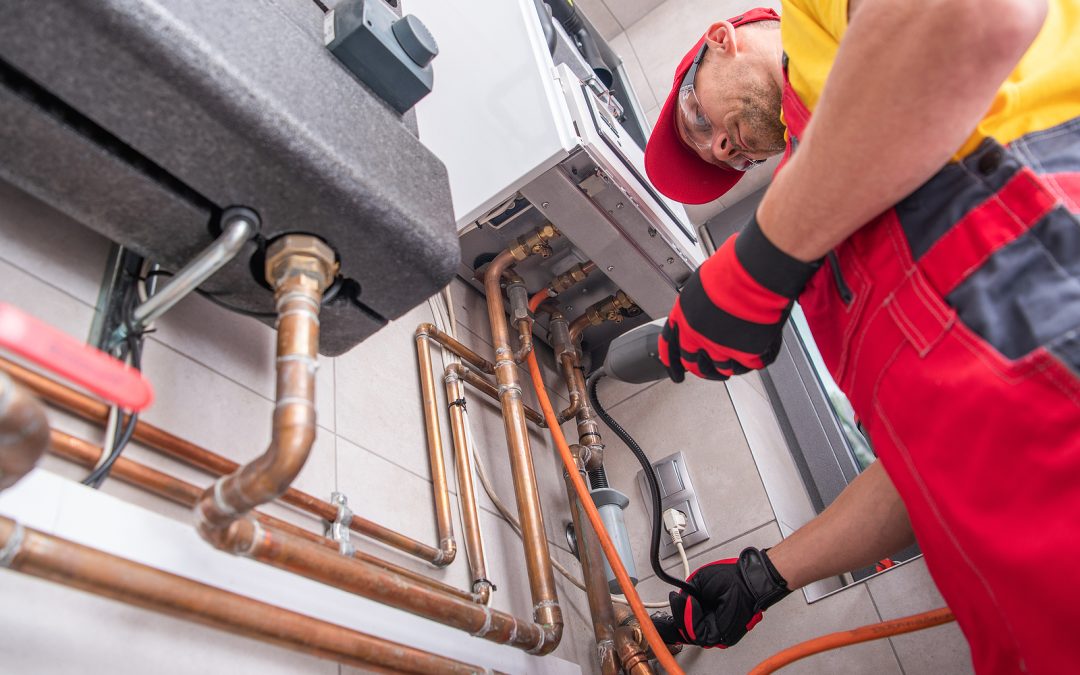
During the winter and early spring months, most people will use their boilers far more than at any other time of the year, and because of this increased wear, older boilers and pipework have the risk of malfunctioning.
This typically takes the form of a gas leak, which can be very dangerous and will require the rapid intervention of an emergency gas engineer to solve.
There are a multitude of reasons for gas leaks, but the most common reasons are poorly maintained pipes and incorrectly installed appliances where pipes had not been fitted correctly.
When it comes to a gas leak it is better to be safe than sorry, so with that in mind here is a guide for detecting a gas leak and what to do immediately whilst waiting for the engineer to arrive.
- How Do We Detect Gas Leaks?
The best way to determine the presence of a leak and where they are located is to sniff around.
As many people are made aware of before they are allowed to touch a Bunsen burner, natural gas gives off a very distinctive smell, most commonly described as akin to rotten eggs, and its sharpness and unpleasantness make it immediately clear to homeowners that they have a problem on their hands.
However, there are other symptoms, as natural gas affects most of the senses. There is often a faint hissing sound, particularly in cases where there is a relatively small rupture, sometimes a faint cloud can be seen near the line or the flames glow orange rather than blue, and if you feel drowsy or nauseous.
Aside from our senses, carbon monoxide detectors will sound in the presence of a gas leak, given that inhalation can be poisonous and potentially lethal.
- What Should You Do When You Detect Gas?
Your first step should be to close the supply shutoff valve connected to the pipe or appliance in question from its typical parallel position to one perpendicular to the pipe. If you cannot find the appliance valve, shut off the main valve near your boiler.
If you cannot find either, or you are overwhelmed by the smell, leave the house immediately and call an emergency engineer or your local utility firm. Alternatively, call the National Gas Emergencies hotline at 0800 111 999.
If there is a fire or explosion, evacuate immediately and call 999.
- What Should You Avoid Doing?
When handling a gas leak, there are a lot of actions you should avoid, with the obvious being not to strike up an open flame such as a candle or cigarette, as this naturally can ignite the fire and cause an explosion.
However, there are several reactions that seem logical that can actually make the situation worse.
For example, activating electrical appliances or flipping switches can in some cases cause a small spark, which can be enough to ignite the gas.
Similarly, although it is far less likely than people believe, using a mobile phone could potentially cause a tiny discharge of static electricity that can in exceedingly rare circumstances, ignite the gas, so try to make emergency calls outside of the house if at all possible.