
It is safe to say that during the recent heatwave there were not many people thinking about a new boiler installation in London. With the mercury hitting an unprecedented 40 degrees C in places and the London fire brigade experiencing its busiest day since the Second World War, the issue of how much it costs to heat a home was not the biggest concern.
However, all that will inevitably change. However much climate change might make our hottest summer days more severe than ever, this won’t change the fact that in autumn and winter, when the ground is white with morning frost, gloveless fingers are numb and the trees are bare, heating will be very important.
That threatens to be a very costly business. Ofgem has already warned the energy cap could rise in October to £3,244, with this situation being pushed by the high price of gas on the world market as Russia curbs supplies to Ukraine’s allies in the EU.
The latest step in this saga has been the cutting of supplies from Russia to Germany through the Nordstream 1 pipeline. Russia claims the reasons are to do with maintenance, but few believe that, least of all on the world market where prices are soaring as a result of this action.
While Germany is heavily reliant on Russia for gas, the UK is not, using a mixture of Norwegian and British North Sea supplies. But the global price still impacts us.
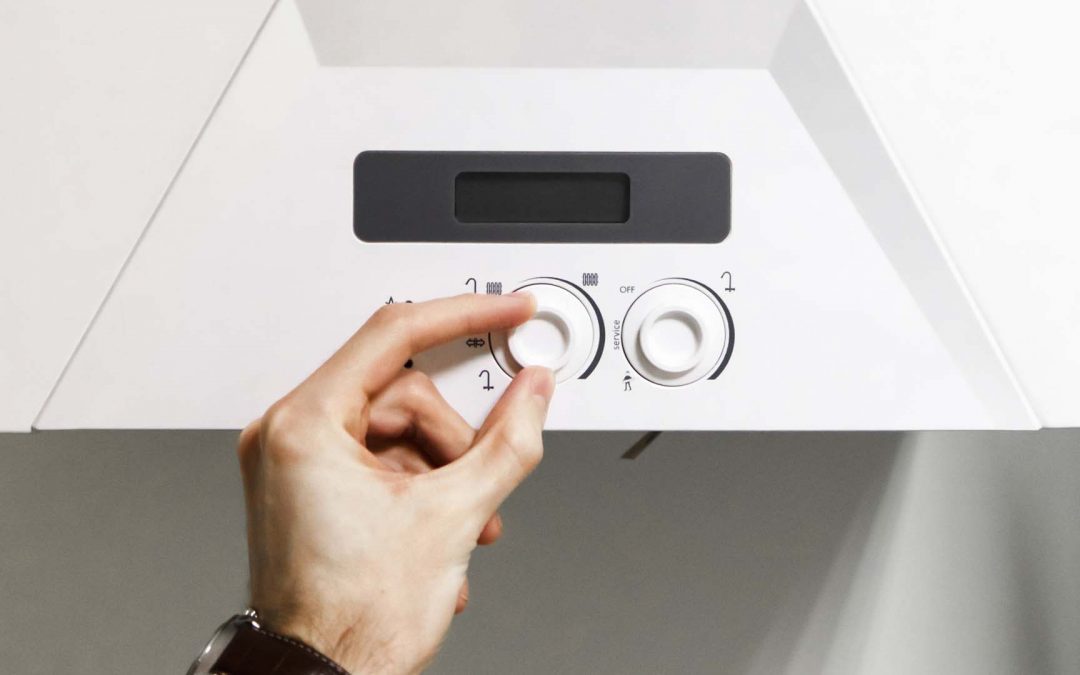
These events may lie beyond the power of individual householders to do something about it, but getting a more efficient boiler is something you can do.
By installing an A-rated boiler, you can save well over £100 a year on your bill, perhaps over £300 if you are in a semi-detached home.
A more efficient gas boiler could, therefore, be a highly valuable investment. We all know that energy soar like rockets when global wholesale prices go up and fall like a feather when the same costs come down. But with a more efficient gas boiler, you can make a dent on those soaring bills